What is burnout? 3 warning signs that you are beyound "just tired"
It's 6:47 AM. Sarah, 38, stands in front of her bathroom mirror for the third morning this week, staring at a stranger.
She slept seven hours. Technically enough. But she feels like she hasn't slept in weeks. The reflection looking back shows dark circles, yes, but it's something else. Something in her eyes. A flatness. An absence.
The day ahead looms: the presentation, the team meeting where she'll need to sound enthusiastic, school pick-up, the emails that never stop, dinner to cook. Her chest tightens. Not quite panic, but something close. A heaviness that's become so familiar she almost doesn't notice it anymore.
"I'm fine," she whispers. "Just tired."
But here's what Sarah doesn't know yet: There's a difference between tired and something more. And her body has been trying to tell her something for months.
If you're reading this wondering what is burnout and whether you might be experiencing it, you're already paying attention to signals that deserve attention. Understanding what burnout actually is – and how it differs from regular stress or exhaustion – can change everything about how you respond to what your body is telling you.
Let me show you what those signals look like.
When "Just Tired" Becomes Burnout: Understanding the Difference
Here's what Sarah noticed first: Rest stopped working.
Not just that she felt tired. Everyone feels tired. But she'd sleep her usual seven hours and wake feeling like she'd been hit by a lorry. She'd take a weekend off and spend Monday feeling just as depleted as Friday. She went on holiday – an actual, proper holiday with no laptop – and came back feeling marginally less terrible but fundamentally unchanged.
"I must not be resting properly," she thought. "I need to try harder to relax."
But when rest consistently fails to restore you, something biological may have shifted. And trying harder to relax is like trying harder to heal a broken leg by thinking positive thoughts about it.

Marcus, 43, experienced something similar but different. He'd been pushing through exhaustion for months – years, really – telling himself he just needed to power through until the next project ended, the next deadline passed, the next busy period was over.
Then one Tuesday morning, staring at an email from his VP asking him to take on "just one more thing," something in his chest went tight and hot. His hands started shaking. His heart hammered. For the first time in his twenty-year career, he couldn't make himself type "Happy to help."
His body had simply stopped cooperating.
These moments – Sarah at the mirror, Marcus unable to respond to that email – are often when people start asking: what is burnout, exactly? And am I experiencing it?
Burnout Sign 1: Exhaustion That Rest Doesn't Fix
This is often the first sign people notice: exhaustion that rest doesn't resolve.
This might look like:
- Sleeping your usual hours but waking feeling like you haven't slept
- Needing ten hours in bed just to feel minimally functional
- Lying down exhausted but finding your mind racing when it should be quiet
- Waking at 3 AM with your heart pounding and struggling to get back to sleep
- Feeling physically heavy, like moving through your day requires twice the effort it should
Sarah described it this way: "I felt like I was wading through deep water all the time. Everything took so much more energy than it should have."
What researchers have found: When stress is temporary, your body produces hormones like cortisol to help you cope, then brings them back down to normal when the threat passes. But when stress is chronic and unrelenting, this system can become dysregulated – stuck in the "on" position.
Think of it like a car alarm that won't turn off. The alarm itself works fine. The problem is the off switch has stopped responding properly.
What is burnout at this biological level? It's when your body's stress response system has been activated for so long that the normal recovery mechanisms aren't functioning as they should. Rest doesn't work because the signal telling your nervous system "it's safe to stand down now" isn't getting through effectively.
This isn't about weakness or poor stress management. This is biology responding to sustained demands.
Recognize this pattern? Our free stress assessment identifies what's happening in your nervous system – and shows you exactly how to help it reset. Take the 3-minute assessment.
Burnout Sign 2: When Nothing Feels Good Anymore (Not Even Things You Used to Love)
The second sign is more subtle, more insidious, and often more concerning when people notice it.
Sarah noticed it with her children first. Her daughter would do something adorable – the kind of thing that usually made Sarah's heart swell – and Sarah would think "that's nice" before immediately moving to the next task. She registered it intellectually but didn't feel the warmth she expected.
A project she'd been working on for months finally succeeded. Her team celebrated. Sarah smiled and said the right things, but inside? Nothing much. Just a vague sense of "right, what's next?"
She started avoiding friends. Not because she didn't care about them, but because maintaining enthusiasm for conversation felt exhausting. Easier to stay home, even though staying home didn't feel good either.
Marcus had stopped going to the gym, something he'd done consistently for fifteen years. Not because he'd made a conscious decision to stop. He just... couldn't make himself care enough to go. His wife suggested a film they'd both wanted to see. He said yes because she wanted to, but sitting in the cinema, he felt nothing. No enjoyment. No connection. Just a vague awareness that he was supposed to be having a good time.

What researchers have found: When someone is chronically overwhelmed, the brain can dampen emotional responsiveness as a way to manage the constant activation. It's a protective mechanism – if everything feels like too much, turning down the volume on all emotions seems helpful.
But this also means losing access to positive emotions along with the overwhelming negative ones. Joy, connection, satisfaction, interest – they all get muffled. Researchers studying what is burnout identify this as depersonalisation or cynicism, and it's a core component of the condition.
People experiencing this might notice:
- Things that used to engage them now feel pointless
- Interactions with people feel draining rather than connecting
- Going through the motions of life without feeling present in it
- Good things happen and they think "that's nice" but don't feel much
- Withdrawing from hobbies, friends, activities they previously enjoyed
This emotional flattening isn't the same as depression, though it can look similar. It's the nervous system's attempt at protection. Understanding this helps explain why "just push through" doesn't work – the brain is trying to protect itself from overwhelm by turning down the volume on everything.
Burnout Sign 3: When Tasks That Should Be Simple Feel Impossible
The third warning sign often makes people question their own competence.
Sarah found herself taking three times as long to complete work that used to be routine. She'd read the same email four times and still not absorb what it said. She forgot important things – meetings, deadlines, conversations she'd definitely had but had no memory of.
"Am I losing my mind?" she wondered. "Have I always been this incompetent and just hidden it well?"
Marcus started second-guessing every decision. Things that should have been straightforward felt paralysing. He'd open his laptop to respond to a simple question and find himself staring at the screen for twenty minutes, unable to form a coherent thought.

His wife mentioned he'd been forgetting things lately. Marcus brushed it off, but internally he was panicking. What if something was seriously wrong? What if he was actually failing at his job and everyone was too polite to say so?
What researchers have found: When the stress response stays activated for extended periods, it affects brain structure and function. The prefrontal cortex – the part responsible for planning, decision-making, and working memory – becomes less efficient under sustained stress. The hippocampus, crucial for memory, is particularly vulnerable. Meanwhile, the amygdala (the threat-detection centre) can become hyperactive, constantly scanning for danger.
The result? Thinking genuinely becomes harder. The brain is trying to make complex decisions whilst the stress response system signals constant threat.
People experiencing this might notice:
- Tasks taking much longer than they should
- Difficulty concentrating or focusing
- Reading things multiple times without absorbing them
- Forgetting things they'd normally remember easily
- Feeling overwhelmed by problems they'd usually handle competently
- Second-guessing decisions they'd typically make confidently
- Difficulty starting tasks even when they know what needs doing
This cognitive impact is one of the most concerning aspects of what burnout does, because it creates doubt about capabilities. But understanding that it represents a biological response to sustained stress – rather than evidence of incompetence – changes how people can respond to these experiences.
Why Understanding What Burnout Is Matters
Sarah and Marcus both spent months thinking they were failing. That they should be handling things better. That everyone else managed fine, so what was wrong with them?
But understanding what is burnout – as a biological response to sustained demands rather than a personal failure – changes everything about how people can respond.
The exhaustion that rest doesn't fix? That's the stress response system stuck in overdrive, unable to return to normal functioning. The emotional flatness? That's the brain trying to protect against constant overwhelm. The cognitive struggles? That's the prefrontal cortex operating under sustained duress.
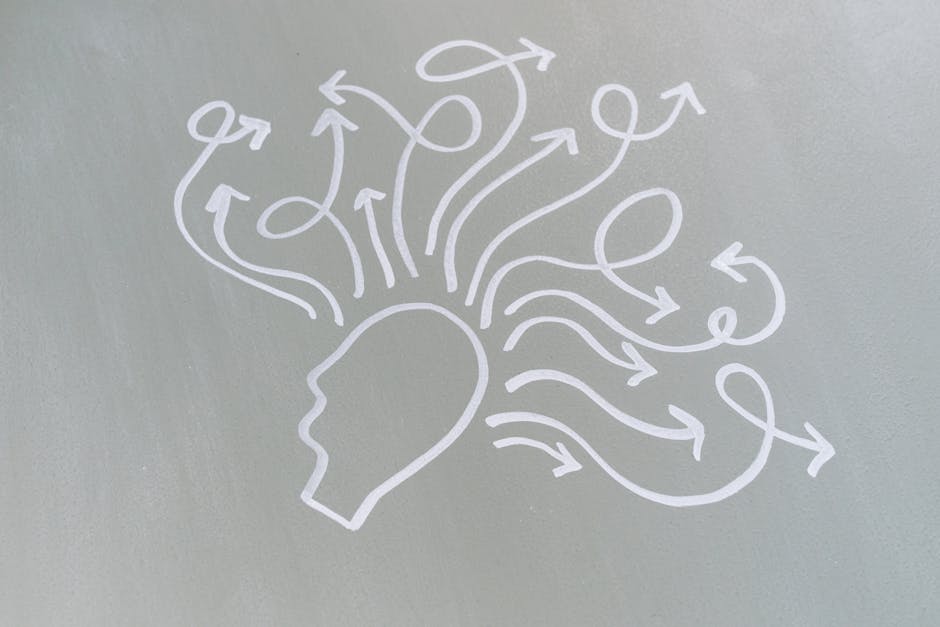
None of this reflects weakness or poor coping. All of it represents biology responding to demands that have exceeded capacity for recovery.
And here's what matters most: Once people understand burnout as a biological response rather than a character flaw, they can address it differently. Not with vague advice to "rest more" or "try harder to relax," but with specific approaches that support the systems that have become dysregulated.
What Sarah Learned About Burnout (And Why It Mattered)
That morning at the mirror wasn't when Sarah's experience started. It had been building for months, maybe years. But it was the moment she stopped dismissing what she was experiencing as "just tiredness" and recognised that something more significant was happening.
She didn't immediately know what to do about it. She felt concerned, frankly. Worried about what acknowledging these signs might mean for her career, her responsibilities, her identity as someone who could handle things.
But understanding what is burnout – that it represented biological dysregulation rather than personal failure – removed the shame that had been keeping her stuck. She could stop questioning whether she was weak or broken, and start asking what her body was trying to tell her and how to respond effectively.
Marcus had a similar realisation. That moment when he couldn't type "Happy to help" wasn't weakness. It was his body communicating "this path is unsustainable" – and that information, whilst initially frightening, was also useful. It meant something needed to change, not that something was fundamentally wrong with him.
If These Burnout Signs Feel Familiar
You might be reading this and recognising aspects of Sarah's mirror moment, or Marcus's shaking hands, or the descriptions of exhaustion that won't lift and emotions that won't connect.
If these signs resonate, here's what research tells us: These experiences are real, measurable, biological responses. Bodies aren't betraying people who experience these signs – they're communicating that current demands have exceeded sustainable capacity. The exhaustion, the emotional numbness, the cognitive fog are signals worth paying attention to.
And here's the crucial reframing: Rather than asking "What's wrong with me?", the question becomes "What has my body been dealing with, and what does it need?"

That shift – from self-blame to curiosity about what the body is communicating – opens up different possibilities for response. Because once someone understands that what is burnout involves specific biological mechanisms that have become dysregulated, they can stop trying to willpower their way through and start exploring more effective approaches.
Research shows recovery is possible when people address these biological responses systematically. Stress response systems can be recalibrated. Cognitive function can return. Capacity to feel and engage can be restored. But it requires understanding not just what burnout is, but why traditional rest often doesn't resolve these patterns and what approaches actually support the systems that have become dysregulated.
This isn't about pushing through harder or trying to relax better. It's about targeted approaches that address the specific biological patterns we've discussed.
And it starts with recognising what the body is communicating – and taking those signals seriously.
Ready to understand your specific stress pattern? Our science-backed stress assessment identifies exactly where your recovery system needs support. Discover what's happening in your body and get your personalised recovery pathway.
Take the 5-minute assessment now – it's free.
Feeling seen? Share this post and help another mid-lifer break free from burnout with science instead of guesswork.
💡 YOUR NEXT READ
Ready to stop running on empty?
Join The Scientific You community for weekly insights that help you restore your energy, rethink your habits, and reconnect with yourself—using real science, not hype. Get myth-busting tips, doable health strategies, and a fresh dose of clarity in your inbox every week.